November 19, 2026
How to Build a Lead Generation Plan for Your Contracting Business
By @practicalcontractorgrowth
Generating a steady stream of leads is what keeps a contracting business moving. Without a plan, you rely on word-of-mouth and repeat work from the same few clients. That might pay the bills for a while, but it does not build a predictable pipeline. A structured lead generation plan changes that. It helps you attract the right prospects, qualify them early, and convert them into paying customers without wasting time on poor-fit inquiries.
The plan below walks through the core steps. Each one includes practical checks and common pitfalls so you can avoid them as you go.
Step 1: Define your ideal customer and service area
Before you run any ads or update your website, decide who you want to work with and where. A general contractor who takes every job that comes along ends up stretched thin. You need a clear profile of your best client. That might be homeowners in a specific suburb who need kitchen remodels, or commercial property managers looking for roof repairs. Be specific about the job type, budget range, and decision-maker you prefer to deal with.
Your service area matters just as much. Driving crews across a whole metro area eats into profit and response time. Map the radius you can serve profitably. Stick to it. When a lead comes from outside that area, refer it out or pass it along. The discipline keeps your operations lean.
Watch out for the temptation to cast a wide net. Broad targeting brings in more inquiries but lowers conversion rates because many leads are not a good fit. Narrow your focus and you will see better quality conversations and higher close rates.
Step 2: Build a landing page focused on one offer
Your website is not a brochure. For lead generation, each page should push toward a single action. That action is often an estimate request or a free quote. Build a dedicated landing page that strips away navigation links and distractions. The only goal is to get the visitor to fill out a short form or call a tracked phone number.

The page needs a clear headline that states the offer. For example, "Get a Free Quote for Your Bathroom Renovation in Under 24 Hours." Below that, list two or three bullet points that explain why a homeowner would choose you, licensed, insured, local references. Keep the form short: name, phone, property address, and a brief description of the job. Every extra field reduces your conversion rate.
What to watch: many contractors put their service list or portfolio on the landing page. That splits attention. Save those pages for later in the customer journey. The landing page is for action, not education.
Step 3: Set up call tracking and lead qualification
Not all leads are ready to buy. Some call to compare prices. Others have a genuine emergency. You need a system to separate them early. Call tracking assigns a unique phone number to each marketing source. When a call comes in, you know whether it came from Google Ads, a local service ad, or a yard sign. That data helps you spend your budget on what works.
Lead qualification happens during that first call. Train whoever answers to ask a short set of questions: What is the job? How urgent is it? What is the budget range? Have you received other quotes? A simple scoring system, hot, warm, cold, lets you prioritise follow-up. Hot leads get a site visit within 24 hours. Cold leads go into a nurture sequence with monthly email updates.
Lemur Marketing is also on Facebook.
The trap here is treating every call the same. A contractor who rushes out to every inquiry wastes fuel and time. Qualify first, then dispatch.
Step 4: Use local SEO to capture search intent
Homeowners search for contractors in a specific way. They type "roof repair near me" or "plumber in Arlington Heights." Your goal is to appear in those local search results. Start by claiming and optimising your Google Business Profile. Fill in every section: services, hours, photos, and posts. Encourage past clients to leave reviews and respond to every one, good or bad.
On your website, create pages that target the services and locations you cover. A page titled "Kitchen Remodel in Des Plaines" that describes your process and shows a few example projects can rank well for that search. Match the language your customers use. Avoid industry jargon. Write for someone who has never hired a contractor before.
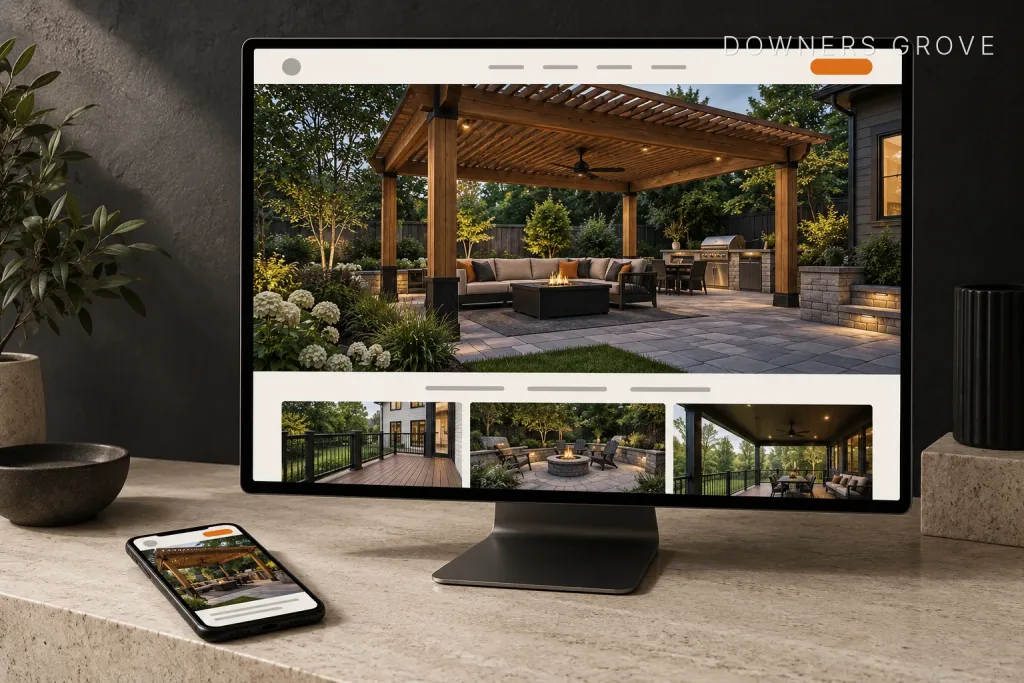
What trips up many contractors is inconsistency. Different phone numbers or addresses across directories confuse search engines. Keep your NAP, name, address, phone, identical everywhere. A tool or a service like Lemur Marketing can audit your current listings and fix discrepancies. That kind of cleanup alone often improves local rankings within a few weeks.
Step 5: Run targeted ads with a clear budget
Paid advertising works best when you have a solid organic foundation. With your profile optimised and landing page ready, you can run Google Search Ads or Local Service Ads. Set a daily budget you are comfortable with and target only the service area you defined in step one. Use keywords that match what a homeowner would type when they need help now: "emergency plumber," "same-day roof repair," "bathroom contractor near me."
Track every conversion back to the ad. If a keyword generates calls but no jobs, pause it. If a location produces high-quality leads, increase the bid there. The key is to test small before scaling. Run a two-week trial with a few hundred dollars before committing a larger monthly spend.
Watch out for click fraud and low-quality traffic. Use negative keywords to exclude people searching for DIY advice or free estimates. And always use call tracking to verify that the calls you get are from real homeowners, not competitors or bots.
Step 6: Nurture leads that are not ready yet
Not every lead closes this month. Some homeowners are in the research phase. They might bookmark your site and call six months later. Build a simple email nurture sequence that stays in touch without being pushy. Send a monthly newsletter with a short tip, how to spot a roof leak, when to repaint a deck, and a reminder that you offer free quotes. Keep the tone helpful, not salesy.
You can also retarget website visitors with display ads. A homeowner who visited your landing page but did not submit a form can see a reminder ad on other sites they visit. That keeps your name top of mind when they are ready to act.
The common mistake is to give up on cold leads. Instead, put them on a low-touch track. They cost nothing to keep and may convert later.

Putting the plan into practice
A lead generation plan is not a one-time setup. It needs regular review. Once a month, look at your numbers: how many calls came in, how many turned into site visits, how many became jobs. Compare those numbers to your ad spend and time investment. Adjust your service area, ad budget, or landing page message based on what the data tells you.
For contractors who want help getting this system in place without doing it all themselves, a digital marketing partner can provide structure. Lemur Marketing, for instance, offers website design, local SEO, Google advertising, and related services for Chicagoland contractors. Their team handles the technical setup so you can focus on running jobs. They also provide a free Visibility Audit to show where your current online presence stands.
If you are based in the Des Plaines area or serve communities within 25 miles of it, you can contact Lemur Marketing at 1574 Henry Ave, Des Plaines, IL 60016, USA, or call +1 630-551-8493 to discuss a lead generation plan tailored to your business.
❧